
A customer adds a laptop to their cart. A sleeve that fits? Helpful. A pop-up pushing six more laptops? Not so much.
Whether someone needs a compatible charger, a spare coffee filter, or is looking to buy nicotine pouches in bulk, the best recommendation comes down to relevance. Good upselling and cross-selling make the purchase easier and more useful, without making customers feel pressured to spend more.
What is upselling?
Upselling means offering a better version of something a customer already wants. A laptop with more memory may be worth it for someone who edits video or runs many apps. Explain that benefit, not just the specs.
What is cross-selling?
Cross-selling means recommending something that goes with the main purchase. Think a laptop sleeve, a compatible charger, or a mouse. It should solve a problem, not fill space in the cart.
How do they work together?
Both can lift the average order value. The difference is simple: an upsell improves the original choice; a cross-sell completes it. Neither should feel like a surprise charge or an obstacle to checkout.
Tips for upselling and cross-selling
Done well, upsells and cross-sells help customers more than they help your sales numbers. These simple tips will help you make relevant offers at the right moment, without pressure.
1. Make free shipping useful
A clear free-shipping threshold can prompt a second look. If someone is $8 short, suggest a useful $10 accessory. Show the shipping cost and threshold early, so the offer feels like a choice, not a trick.
2. Follow up at the right moment
Timing changes everything. An abandoned-cart email can link to a clear size guide. Once a customer has received a coffee machine, a short email about compatible filters is far more helpful than another sales pitch sent five minutes after checkout. Respect their email preferences.
3. Cut the clutter
More suggestions don’t always mean more sales. Show the best matches, even if that’s just one. Labels such as “Fits your camera model” make the connection clear. Avoid interrupting checkout with a screen customers must dismiss before paying.
4. Bundle products people use together
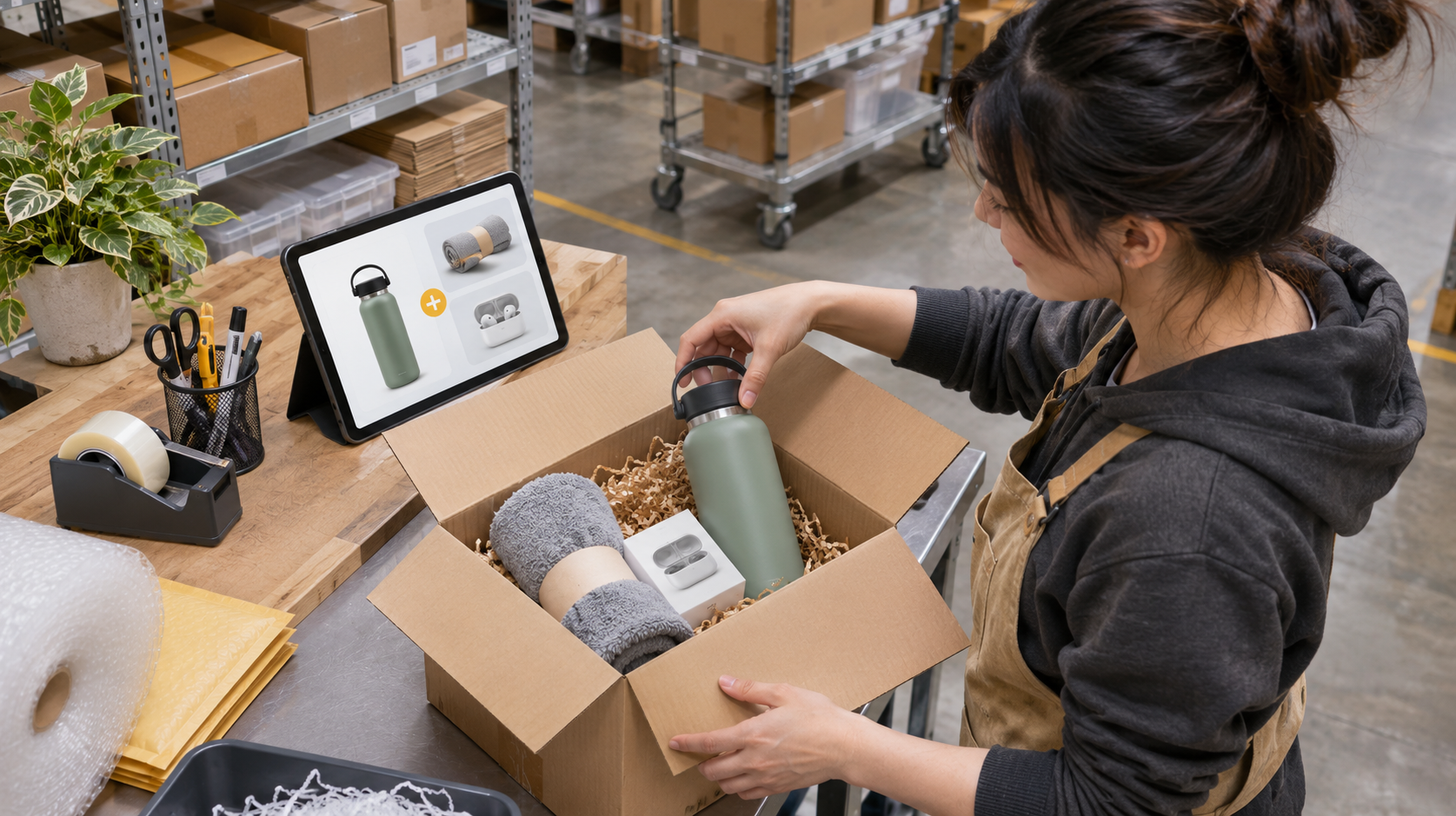
A camera, memory card, and carrying case make a sensible kit. Let shoppers see what’s included, what each item costs, and whether the bundle saves them money. A bundle should make buying easier, not hide items nobody asked for.
5. Learn what customers actually need
AI tools can spot patterns in orders and product views. Use that data responsibly and check compatibility. Better still, ask a simple question: “What will you use it for?” An answer can beat a dozen automated guesses.
6. Keep the upgrade within reach
A higher price needs a clear reason. If someone is shopping for an $80 pair of headphones, pitching a $400 model will probably miss the mark. There’s no magic price limit for every business. Show what the upgrade changes and let the buyer decide whether it’s worth it.
7. Put the full price in plain sight
Show the cost of the add-on, the new order total, and any ongoing fees before someone clicks “Add.” Don’t preselect extras or bury subscription terms. People are much more willing to consider an offer when they know exactly what they’ll pay.
8. Use real offers, not fake urgency
A genuine weekend promotion can give a hesitant shopper a reason to act. A countdown that resets on every visit break trust. Keep discounts accurate, explain when an offer ends, and don’t turn every product into an emergency.
9. Show how the products work together
A short demo can answer the question shoppers are already asking: “Will this work with what I’m buying?” Show the charger connecting to the device, or the software add-on solving a specific task. Real customer reviews can help too, provided they’re genuine and relevant.
10. Compare the options fairly
A simple side-by-side chart can show what a premium plan adds and who needs those features. Skip the confusing pricing games. Give shoppers an easy way to decline, and test which offers lead to completed orders, not just bigger carts. Track returns, too. A bigger cart means little if the extra item gets sent back.
A quick sales bump tells only part of the story. What matters more is a customer who uses the extra item and thinks, “Glad I bought that.”